BPC-157 and TB-500 are two of the most frequently discussed peptides in preclinical tissue research, and they are often supplied together in research blends. That pairing can give the impression that they are closely related. They are not.
This guide compares the two as research subjects: where each comes from, how the literature describes its mechanisms, how far research has progressed, and where each stands with US regulators. A&A Wellness products are for research use only and are not for human or veterinary use.
Two Unrelated Parent Molecules
BPC-157: A Gastric-Derived Pentadecapeptide
BPC-157 is a synthetic peptide of 15 amino acids. Reviews describe it as a pentadecapeptide derived from a protein found in human gastric juice; the name stands for “body protection compound.” Much of the foundational literature comes from Sikiric and colleagues, who describe it as a “stable gastric pentadecapeptide” (Sikiric et al., 2025).
TB-500: A Peptide Based on Thymosin Beta-4
Thymosin beta-4 (Tβ4) is a naturally occurring protein best known for binding and sequestering actin, the structural protein of the cell’s cytoskeleton. A 2005 review in Trends in Molecular Medicine described Tβ4 as an “actin-sequestering protein” and discussed research into its role in tissue repair and remodeling (Goldstein et al., 2005).
“TB-500” is a commercial name, not a formal one. It is applied to synthetic peptides based on Tβ4. In FDA’s compounding materials, the substance nominated as TB-500 is identified as a thymosin beta-4 fragment with the seven-amino-acid sequence LKKTETQ (FDA). Researchers should confirm exactly which sequence a supplier provides, and which molecule a given paper studied, because literature on full-length Tβ4 does not automatically apply to a fragment.
Side-by-Side Comparison
| BPC-157 | TB-500 | |
|---|---|---|
| Classification | Synthetic pentadecapeptide (15 amino acids) | Synthetic peptide based on thymosin beta-4; FDA identifies the nominated substance as the fragment LKKTETQ |
| Parent molecule | Protein described as found in gastric juice | Thymosin beta-4, an actin-sequestering protein |
| Mechanisms as described in literature | Reviews describe activity on VEGFR2 and nitric oxide pathways, including the Akt-eNOS axis | Literature on the parent protein centers on actin binding and cell migration in tissue repair models |
| Research stage | Predominantly preclinical; human data described as “extremely limited” (three pilot studies) | Predominantly preclinical for the fragment; parent protein studied more broadly |
| FDA status | Not FDA-approved; PCAC voted 8-6 (1 abstention) in July 2026 to recommend 503A listing; FDA has not acted | Not FDA-approved; PCAC voted 8-6 (1 abstention) in July 2026 to recommend 503A listing; FDA has not acted |
| WADA Prohibited List (2026) | Class S0, non-approved substances | Class S2, “Thymosin-β4 and its derivatives e.g. TB-500” |
How BPC-157 Has Been Studied
Mechanisms Described in the Literature
A 2025 narrative review in Current Reviews in Musculoskeletal Medicine summarized preclinical findings and reported that BPC-157 “activates several overlapping pathways, notably VEGFR2 and nitric oxide synthesis via the Akt-eNOS axis” (McGuire et al., 2025).
Experimental Models
A 2025 literature and patent review described BPC-157 activity across preclinical models of tissue injury, inflammatory bowel conditions, and central nervous system conditions (Józwiak et al., 2025). Sikiric and colleagues have published extensively on rodent models, including gastrointestinal anastomosis and ocular models.
The Evidence Gap
Preclinical depth, clinical scarcity. The McGuire review characterized human data as “extremely limited,” identified only three pilot studies, and concluded BPC-157 should be “considered investigational” pending rigorous clinical trials. Józwiak and colleagues similarly noted that BPC-157 has not been approved by the FDA.
Read the full profile: BPC-157.
How Thymosin Beta-4 and TB-500 Have Been Studied
The Parent Protein
Research on Tβ4 is broader than research on TB-500 specifically. Goldstein and colleagues’ 2005 review discussed Tβ4 in the context of repair and remodeling of ulcerated tissue and of solid organs after hypoxic injury, drawing on preclinical models (Goldstein et al., 2005).
The Fragment
Because commercial “TB-500” usually refers to a short synthetic sequence rather than full-length Tβ4, findings on the whole protein should not be assumed to transfer to the fragment. FDA’s compounding review materials, which address the fragment, note limited human safety information and immunogenicity questions.
Read the full profile: TB-500.
Why They Are Paired in Research Blends
The two peptides have different origins and are described in the literature through different mechanisms: growth-factor and nitric-oxide signaling for BPC-157, actin-related cell migration for the Tβ4 family. That difference is why some researchers study them side by side, and why they are commonly supplied together as research blends.
A&A Wellness offers three blends that contain both:
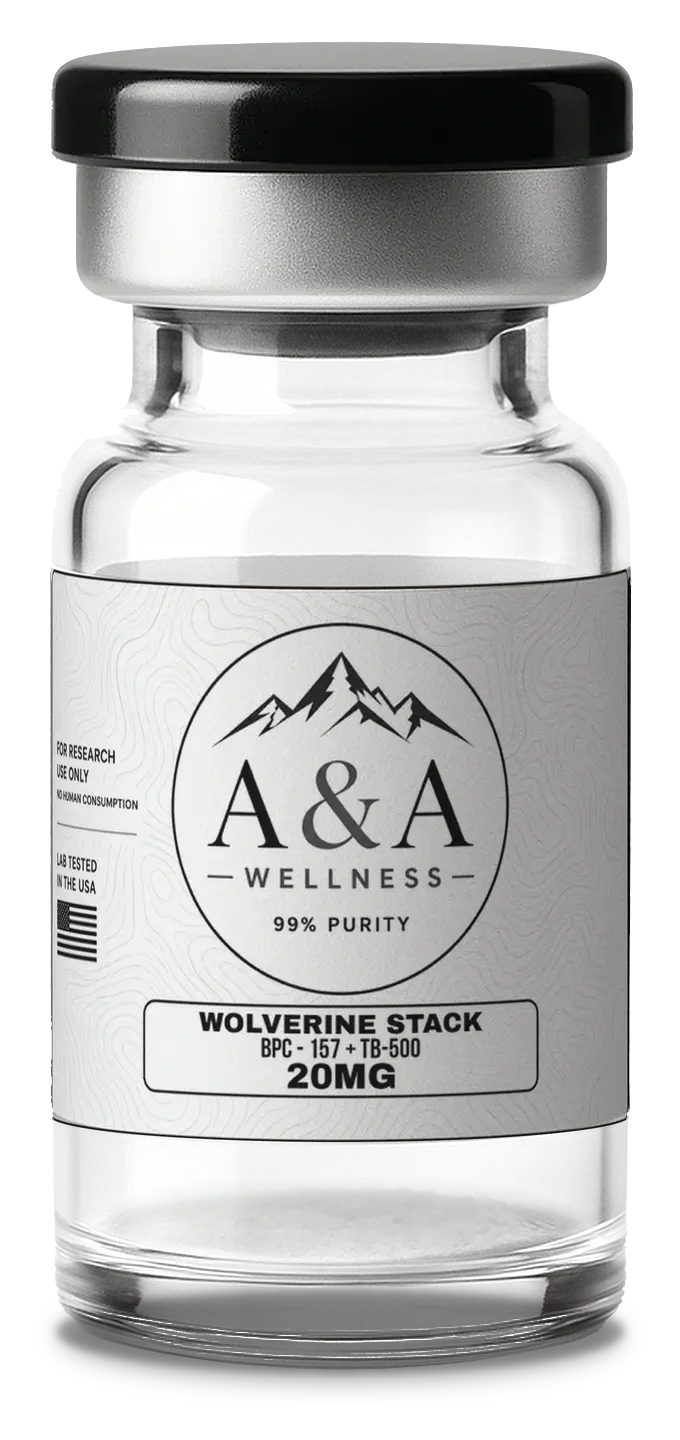
- Wolverine Blend: BPC-157 + TB-500, 20mg
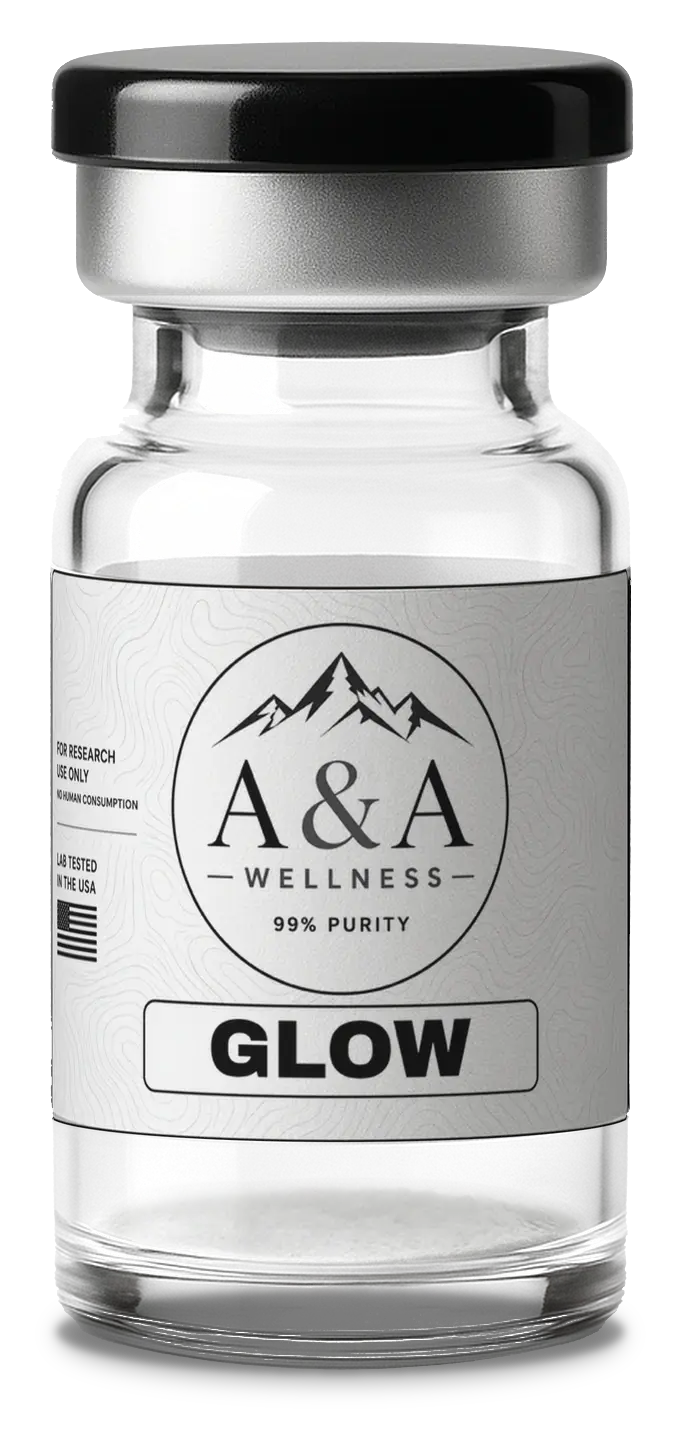
- GLOW Blend: GHK-Cu 50mg + BPC-157 10mg + TB-500 10mg
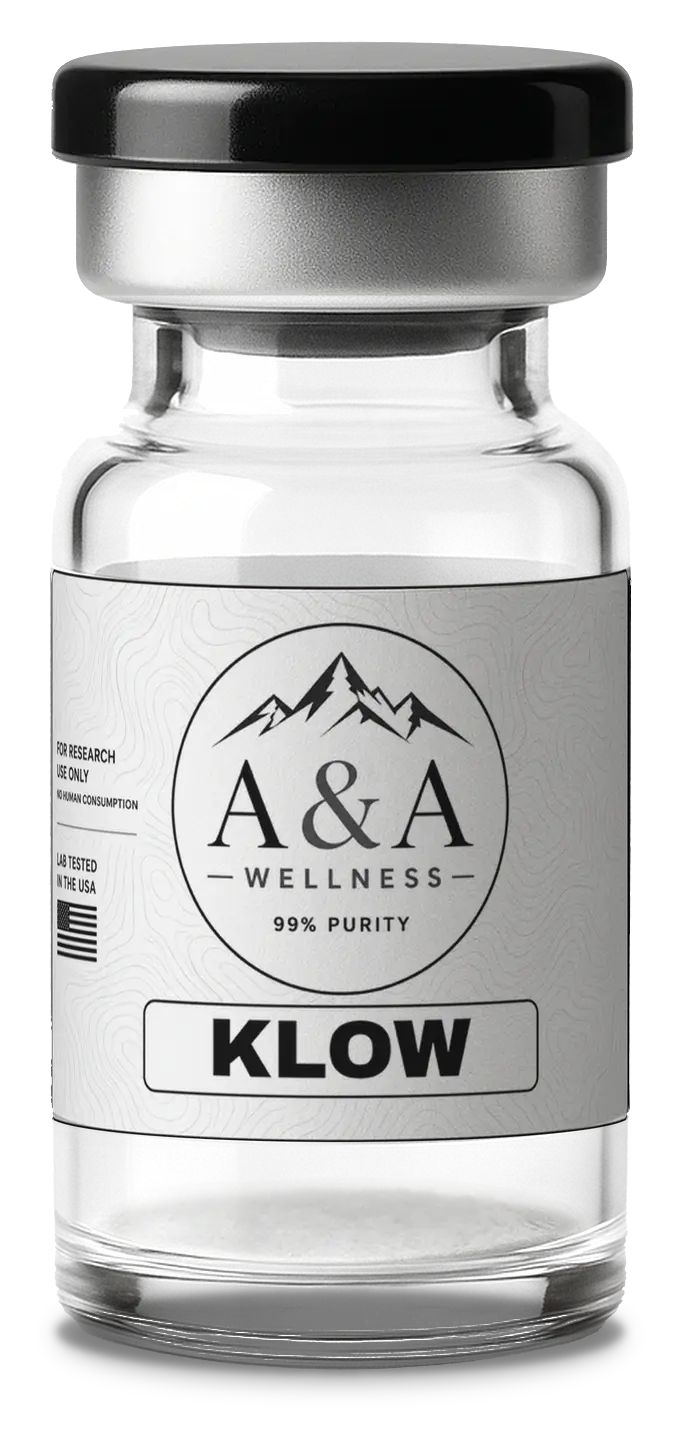
- KLOW Blend: GHK-Cu 50mg + BPC-157 10mg + TB-500 10mg + KPV 10mg
See the full research blends category. As with every A&A product, these are laboratory research materials only; nothing on this site describes or recommends use in people or animals.
Regulatory Status in 2026
The compounding review. FDA’s list of bulk drug substances that may present significant safety risks now shows BPC-157 and the TB-500 fragment among nominations that were previously in category 2 and were later withdrawn by the nominators (FDA). Both were then reviewed at FDA’s Pharmacy Compounding Advisory Committee (PCAC) meeting on July 23, 2026: BPC-157 for ulcerative colitis and TB-500 for wound healing (FDA).
The vote. As reported by AJMC, the committee voted 8-6 with one abstention to recommend each for the section 503A bulks list. AJMC reported that FDA scientists had opposed adding any of the seven peptides reviewed, and that “none of the peptides have been added to the 503A Bulks List, and none is an FDA-approved drug” (AJMC, 2026).
What that means. Advisory committee votes are non-binding. FDA would need to act, including through rulemaking, before either substance could be compounded under section 503A. These rules govern pharmacies, not research-reagent suppliers. Neither compound is an approved drug.
Anti-doping. The WADA 2026 Prohibited List names BPC-157 under S0 (non-approved substances) and “Thymosin-β4 and its derivatives e.g. TB-500” under S2 (WADA).
For the broader framework, see our US regulatory overview.
Handling and Documentation
Both peptides, and blends containing them, are typically supplied lyophilized. General conventions are covered in lyophilized peptides explained and the peptide storage guide. For blends, batch documentation should identify each component; our guide to reading a COA explains what to check. Read more on our Quality page.
Sources
- McGuire FP, et al. Regeneration or Risk? A Narrative Review of BPC-157 for Musculoskeletal Healing. Curr Rev Musculoskelet Med. 2025
- Józwiak M, et al. Multifunctionality and Possible Medical Application of the BPC 157 Peptide: Literature and Patent Review. Pharmaceuticals (Basel). 2025
- Sikiric P, et al. Stable Gastric Pentadecapeptide BPC 157 as a Therapy and Safety Key. Pharmaceuticals (Basel). 2025
- Goldstein AL, et al. Thymosin beta4: Actin-Sequestering Protein Moonlights to Repair Injured Tissues. Trends Mol Med. 2005
- FDA. July 23-24, 2026: Meeting of the Pharmacy Compounding Advisory Committee
- FDA. Certain Bulk Drug Substances for Use in Compounding that May Present Significant Safety Risks
- AJMC. FDA Panel Backs 6 Peptides for Compounding (July 31, 2026)
- World Anti-Doping Agency. 2026 Prohibited List