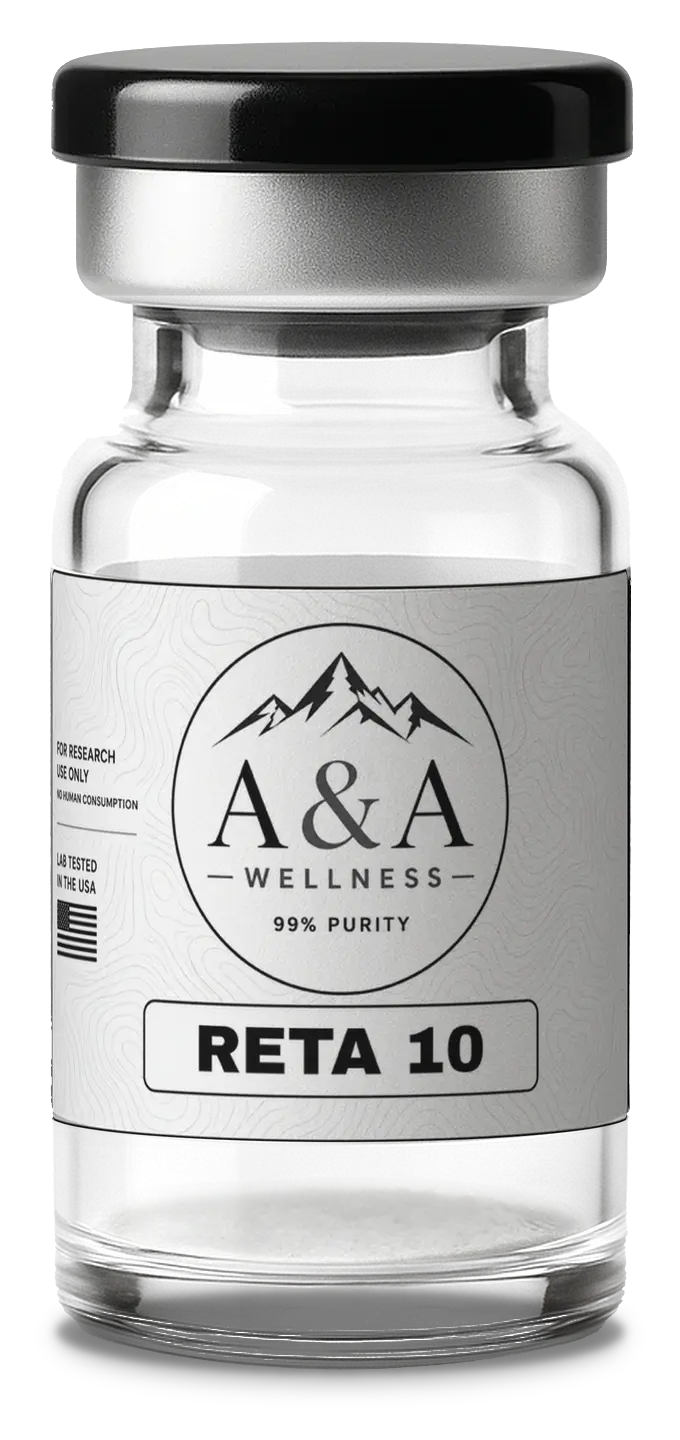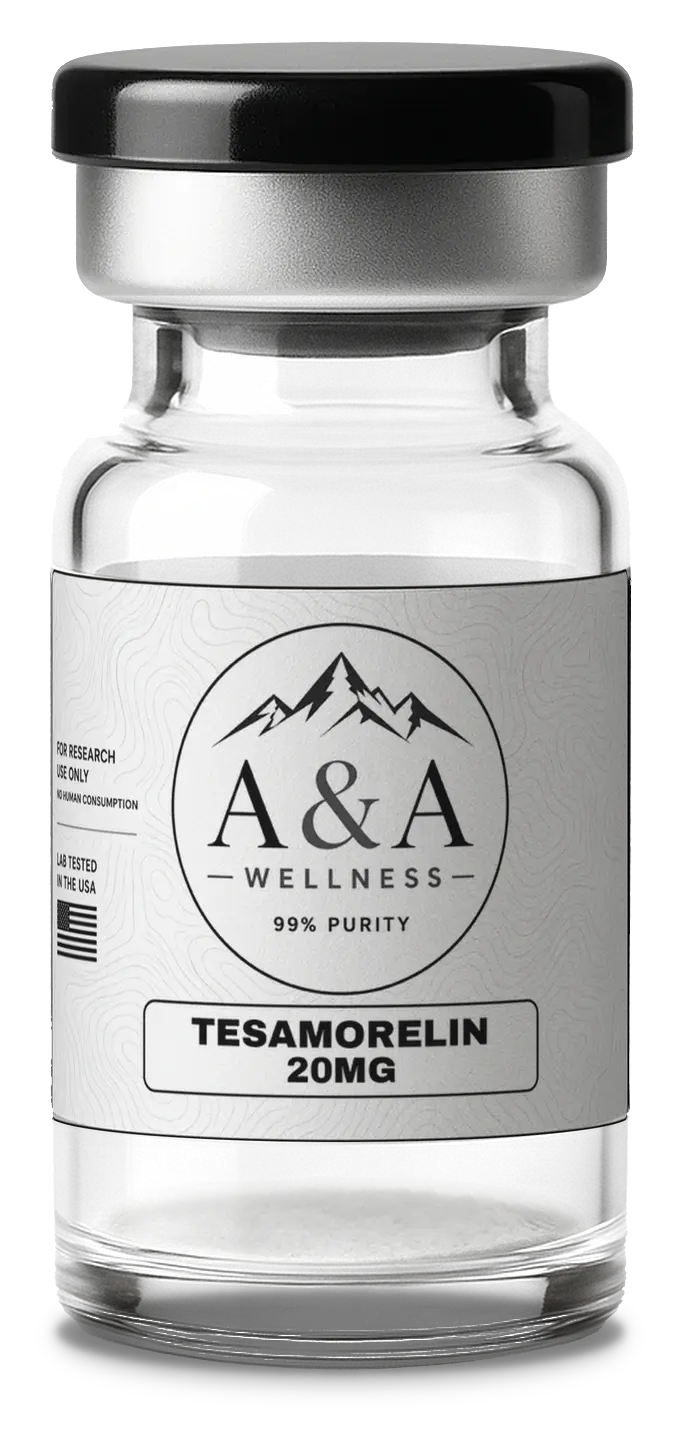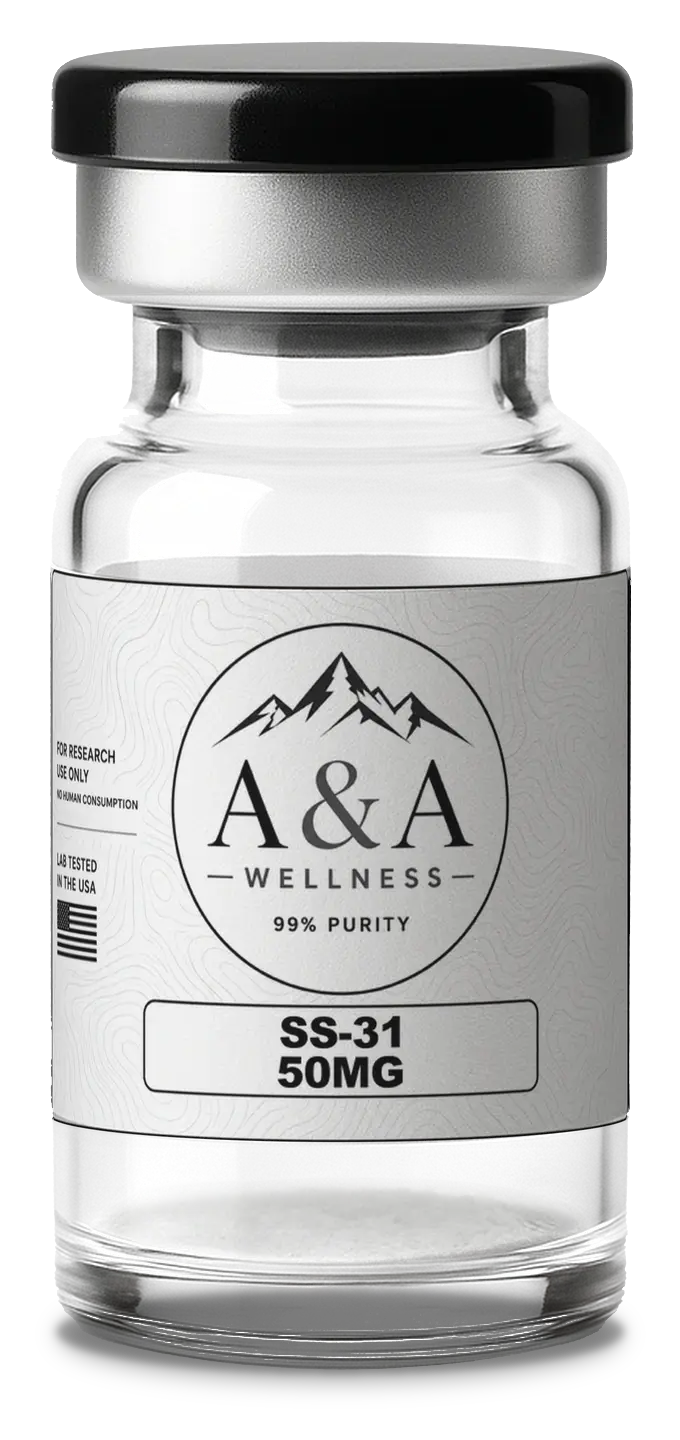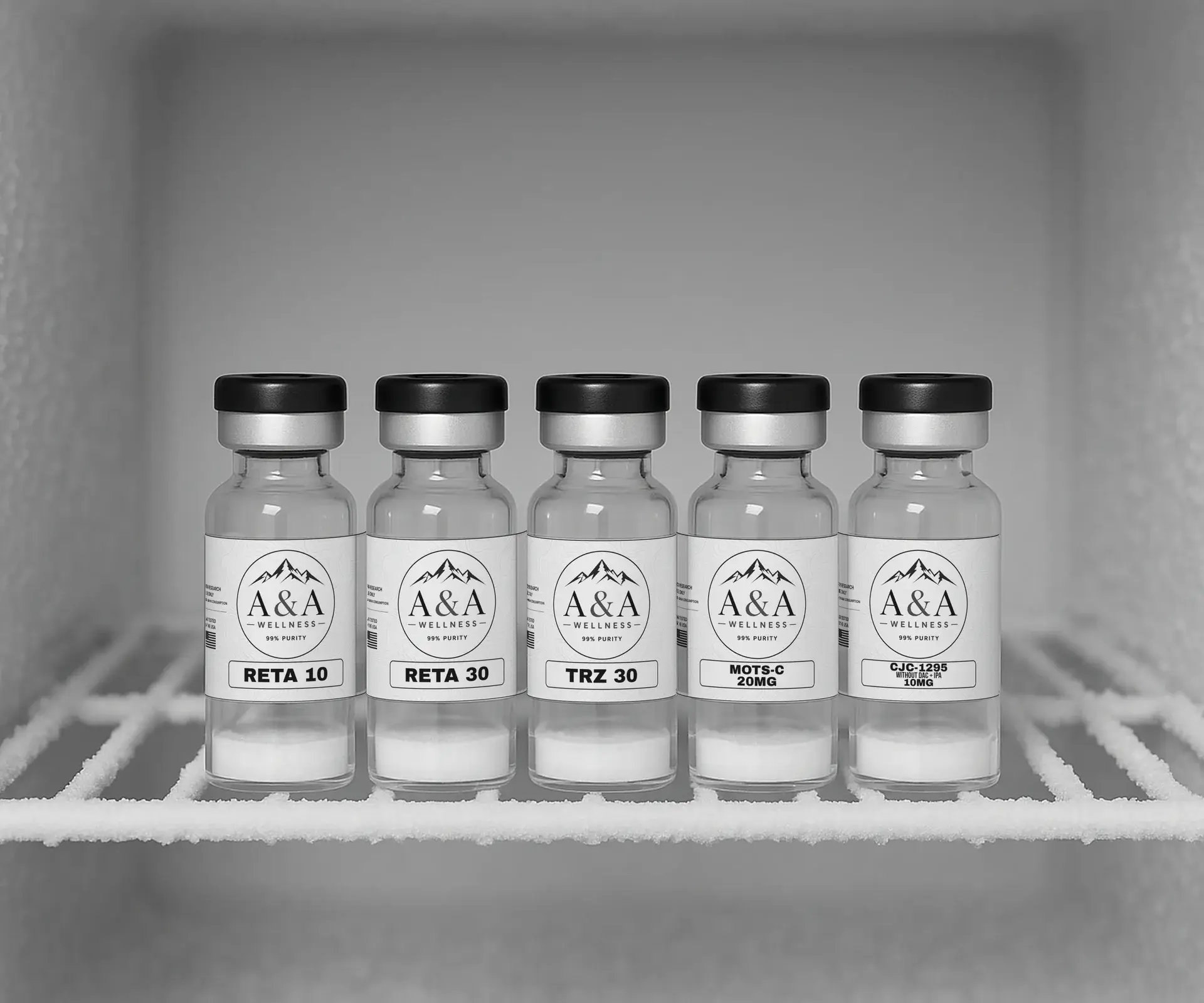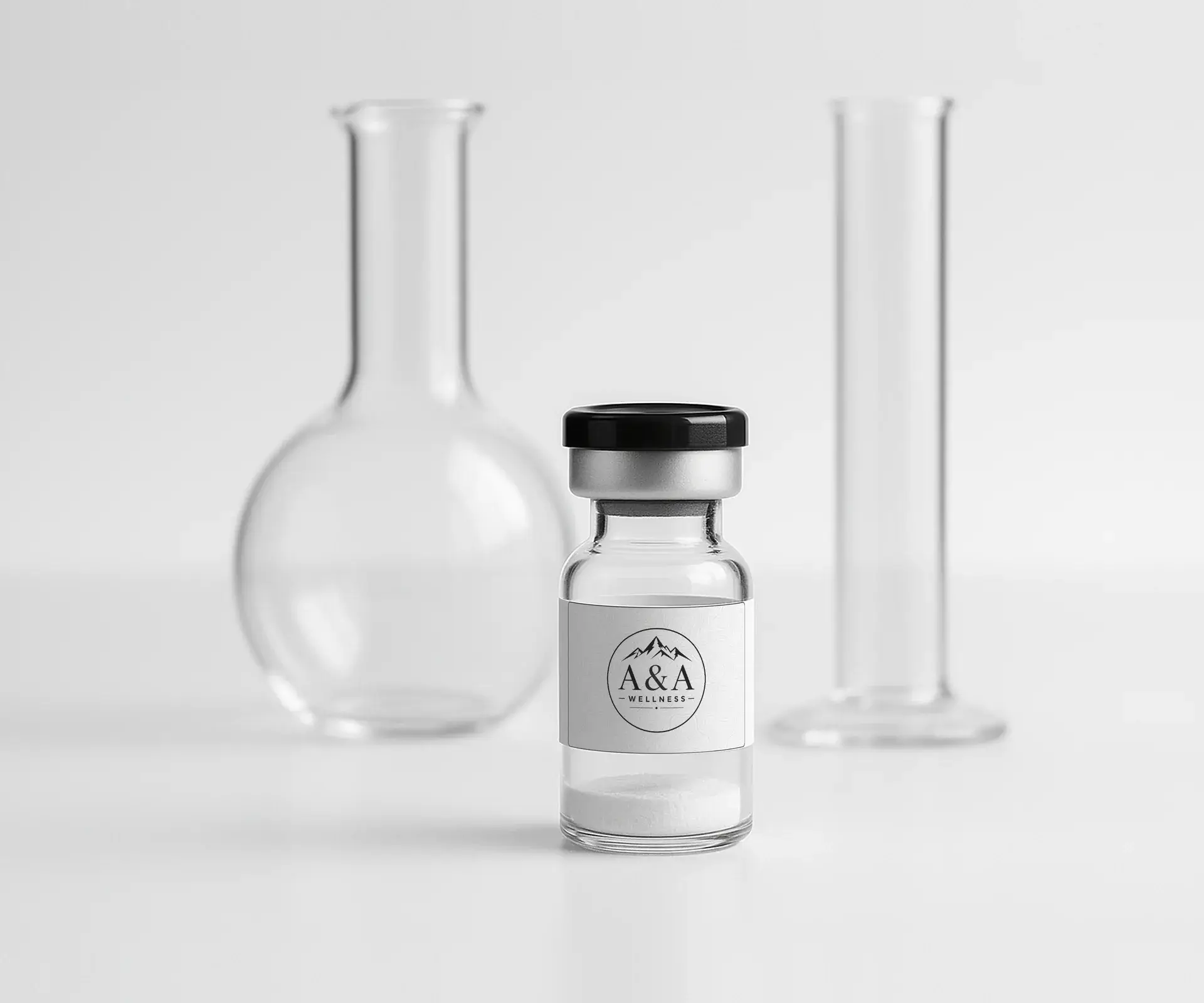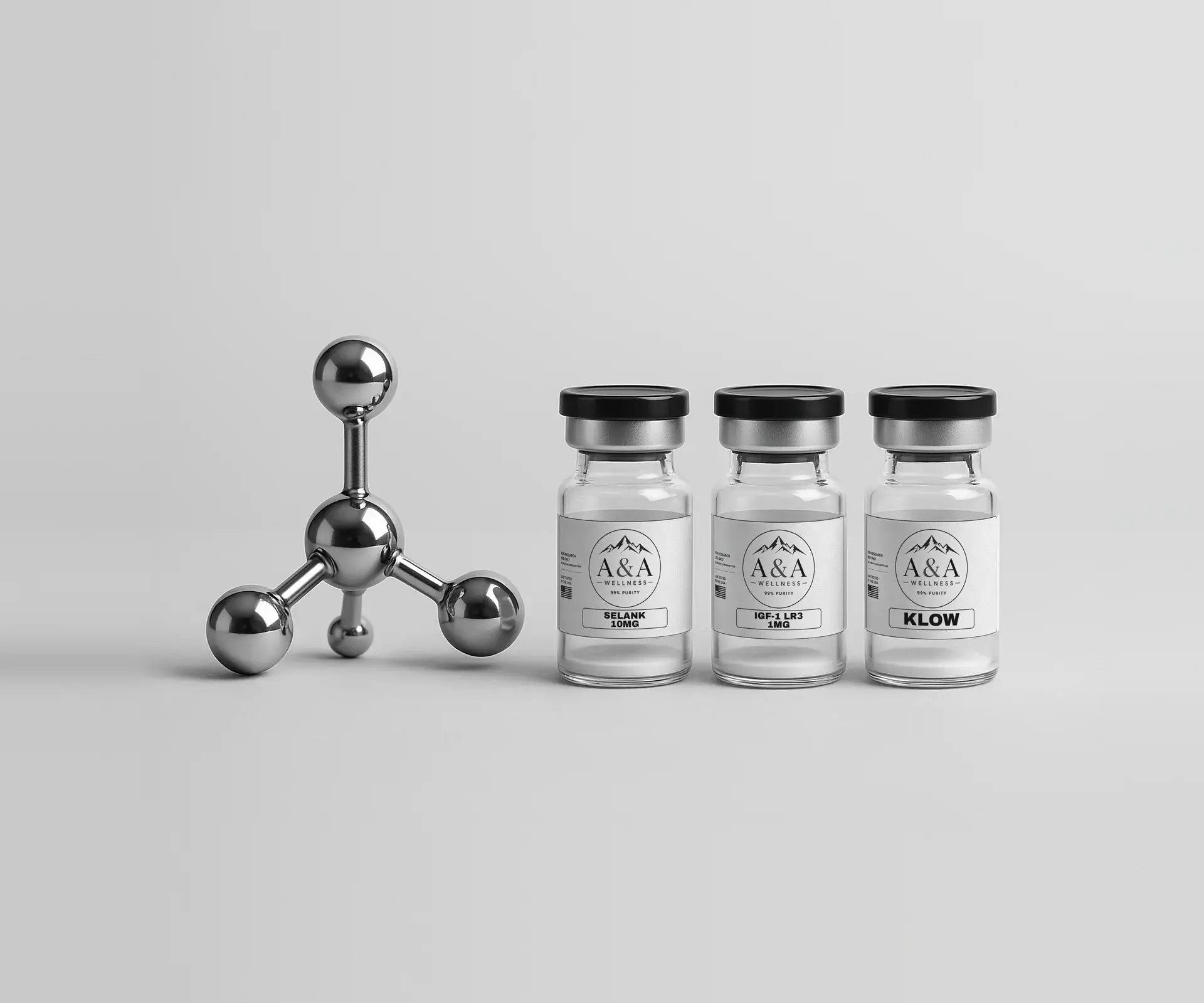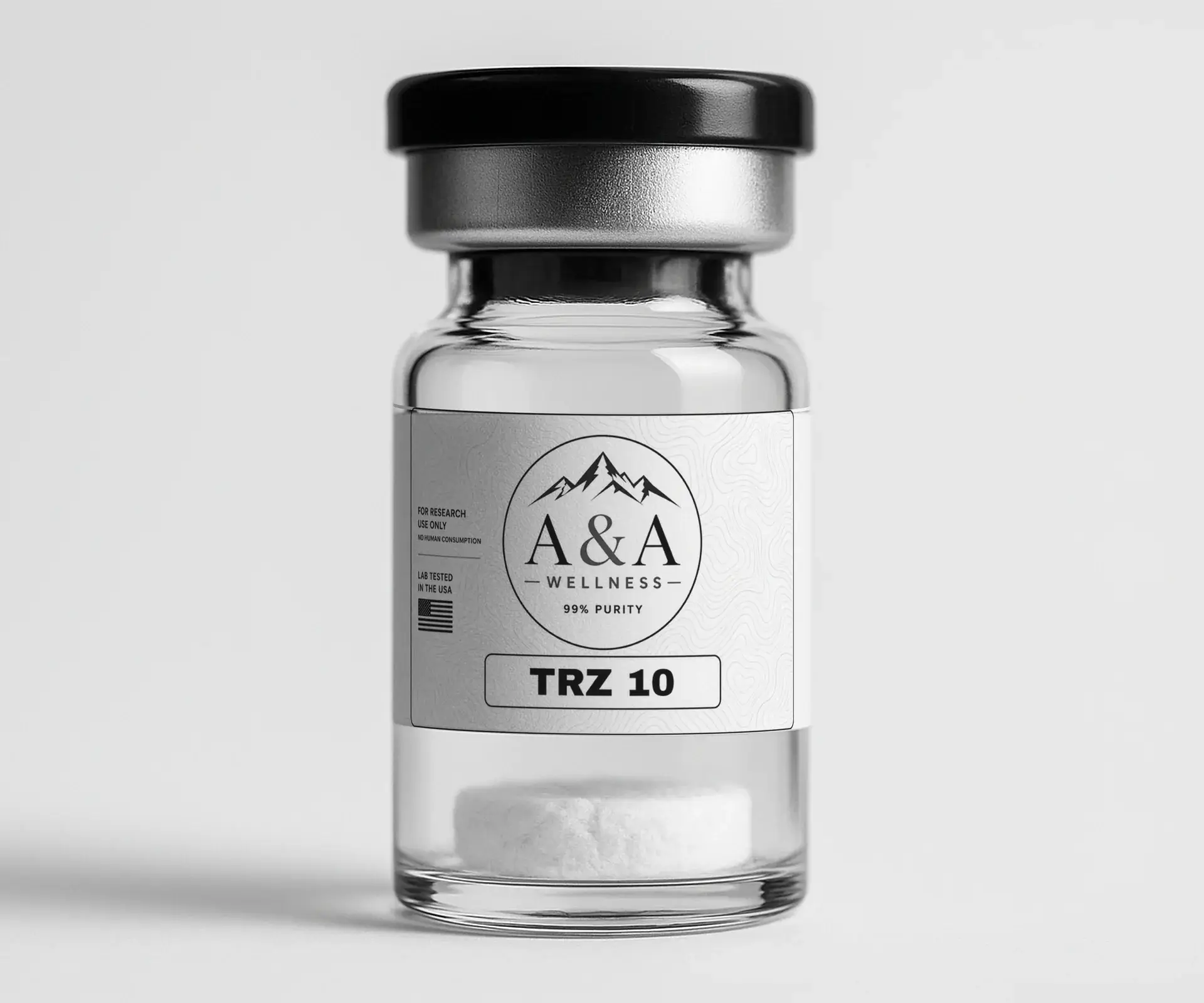
Almost every research peptide arrives as a small amount of white powder in a sealed glass vial. That powder is the product of lyophilization, a controlled freeze-drying process used across the pharmaceutical and research industries. Understanding how it works helps you store peptides correctly, recognize a normal vial, and avoid the handling mistakes that shorten a peptide’s useful life.
What Is Lyophilization?
Lyophilization is freeze-drying. A peptide solution is frozen, then held under vacuum so that ice converts directly to water vapor without passing through a liquid phase. This process, called sublimation, leaves behind a dry, porous solid.
The goal is stability, not convenience. Peptides and proteins in water are exposed to a range of degradation pathways. Manning and colleagues’ 2010 review of protein pharmaceutical stability in Pharmaceutical Research discusses chemical routes such as deamidation, oxidation, and hydrolysis, alongside physical changes such as aggregation, and covers how stabilization differs in aqueous solution versus the dried state. Removing most of the water slows many of these processes.
The Three Stages of Freeze-Drying
1. Freezing
The solution is cooled until water forms ice crystals. As ice forms, the peptide and any excipients are concentrated into the spaces between crystals. Kasper and Friess, writing in the European Journal of Pharmaceutics and Biopharmaceutics in 2011, describe freezing as possibly the most complex step of lyophilization. They note it affects cake morphology, residual moisture, reconstitution time, and the performance of the later drying phases.
2. Primary drying
Pressure is lowered and gentle heat is applied. Ice sublimes and the vapor is collected on a cold condenser. This stage removes the bulk of the water. If the product warms past a critical temperature during primary drying, the porous structure can collapse, which is one reason cake appearance varies between batches and manufacturers.
3. Secondary drying
Remaining bound water is removed by desorption. Temperature is raised further while vacuum is maintained. The result is a solid with low residual moisture. Vials are then stoppered, often inside the freeze-dryer, and crimp-sealed.
Why Excipients Sometimes Appear
Some lyophilized products contain more than the peptide. In pharmaceutical formulation, bulking agents, buffers, and stabilizers are chosen to protect the molecule during freezing and drying and to give a well-formed cake. Carpenter and colleagues’ work on the rational design of lyophilized protein formulations explains how these components are selected.
Research peptides are frequently supplied without added excipients. In that case the vial holds the purified peptide, typically as a salt with its counterion. Either way, the documentation for a lot should state what the vial contains. Our guide to reading a COA explains where to find this.
What a Normal Lyophilized Vial Looks Like
Expect variation. Depending on the amount of peptide and the drying cycle, you may see any of the following:
- A white to off-white porous “cake” sitting at the bottom of the vial
- Loose powder that has shifted during transit
- A thin film or glassy deposit, especially with small masses such as 1 mg
- Material clinging to the vial wall or the underside of the stopper
Mass, not visible volume, is what counts. A 1 mg vial of IGF-1 LR3 will look very different from a 60 mg vial of tirzepatide, and neither tells you much by sight alone.
Signs worth flagging
- Visible liquid or a wet, sticky appearance in a vial that should be dry
- Marked discoloration (yellow or brown) relative to other vials in the same lot
- A cracked vial, loose crimp, or damaged stopper
- A lot number that does not match the documentation you received
If you see any of these, set the vial aside, note the lot number, and contact support before use.
Why Dry Peptides Still Need Careful Storage
Lyophilized does not mean indestructible. Dry peptides are often hygroscopic, meaning they absorb moisture from the air. Bachem’s handling guidelines recommend storing lyophilized peptides in a tightly closed container below −15 °C for longer periods, with lower temperatures preferred for long-term storage. They also note that peptides containing asparagine, glutamine, methionine, cysteine, or tryptophan have more limited shelf lives.
Room-temperature shipping is normal. The same guidelines note that lyophilized peptides may be shipped at room temperature and kept in a refrigerator at 4 °C for short-term use. Move vials to their labeled storage condition when they arrive.
Our peptide storage guide covers temperature, light, moisture, and freeze-thaw conventions in more depth.
Handling a Lyophilized Vial on Arrival
- Inspect the package and vials. Check seals, crimps, and labels. Confirm product name, amount, and lot number.
- Log the vials. Record compound, lot, amount, date received, and storage location in your inventory.
- Store to label. Place vials in their labeled storage condition promptly.
- Equilibrate before opening. When a vial comes out of cold storage, let it reach room temperature before opening or piercing the stopper. This limits condensation on the powder, a step both Bachem and other peptide manufacturers recommend.
- Reconstitute only when needed. Keep material dry until your experiment requires a solution. See Reconstituting Peptides for Laboratory Use.
Lyophilized Blends
Blends are lyophilized as a single mixture. A product such as the KLOW Blend contains several peptides dried together in one vial. The cake may look identical to a single-compound vial. Documentation should address each component, and your lab records should list each component’s stated amount.
From Powder to Solution
Reconstitution reverses the drying step. A suitable diluent is added, and the peptide redissolves. The choice of diluent matters. Bacteriostatic water contains 0.9% benzyl alcohol as a preservative and is supplied in multiple-use containers, while sterile water contains no preservative. Our comparison of bacteriostatic and sterile water explains when each suits a given workflow.
Once in solution, the clock speeds up. Bachem advises against long-term storage of peptides in solution and recommends aliquoting and freezing any solution that must be kept. Plan experiments so you reconstitute only what you need.
Key Takeaways
- Lyophilization removes water by freezing and sublimation, leaving a dry solid that is far more stable than a solution.
- Cake appearance varies widely and is not, by itself, a measure of quality. Analytical data is.
- Dry peptides still need cold, dry, dark, sealed storage, and should warm to room temperature before opening.
- Reconstitute only when needed, and document every step.
Browse lyophilized compounds in Research Peptides and Research Blends, or read how we approach documentation on our quality page.
Sources
- Bachem. Handling and Storage Guidelines for Peptides
- Manning MC, et al. Stability of protein pharmaceuticals: an update. Pharm Res. 2010
- Carpenter JF, et al. Rational design of stable lyophilized protein formulations: theory and practice. Pharm Biotechnol. 2002
- Kasper JC, Friess W. The freezing step in lyophilization. Eur J Pharm Biopharm. 2011